Marten Ladman, DMD

Dental Implants vs. Bridges and Dentures: Which Option Is Best for Long-Term Oral Health?

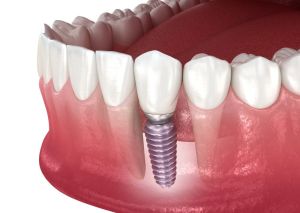
dental implant graphicMissing teeth can affect more than just the appearance of your smile. Over time, tooth loss can impact your ability to chew comfortably, speak clearly, and maintain healthy jawbone support. Fortunately, modern restorative dentistry offers several options for replacing missing teeth, including dental implants, bridges, and dentures.

Many patients choose dental implants because they offer strong, stable support and help maintain the health of the jawbone over time.

At New Jersey Oral Surgery & Dental Implants, we help patients understand the benefits of each option so they can make informed decisions about their long-term oral health.

Why Replacing Missing Teeth Is Critical for Oral Health

When a tooth is lost, the surrounding jawbone no longer receives regular stimulation from chewing and biting. Over time, this can lead to bone shrinkage and changes in facial structure. Missing teeth may also cause neighboring teeth to shift out of place, potentially affecting bite alignment and overall oral function.

Replacing missing teeth can help:

  • Maintain jawbone support
  • Improve chewing and speaking function
  • Preserve facial structure
  • Prevent shifting teeth
  • Restore confidence in your smile

The right treatment depends on several factors, including your oral health, goals, and long-term needs.

Limitations of Bridges and Dentures

Dental bridges and dentures remain effective treatment options for many patients, but they do have certain limitations compared to dental implants.

Dental Bridges

A dental bridge replaces a missing tooth by anchoring to the neighboring teeth. While bridges can restore appearance and function, they do not replace the tooth root beneath the gums. Because of this, the jawbone in the area may continue to weaken over time.

Bridges also require the surrounding teeth to be reshaped to support the restoration.

Dentures

Dentures can replace multiple missing teeth or a full arch of teeth. However, traditional dentures rest on top of the gums rather than integrating with the jawbone. As bone changes occur over time, dentures may gradually feel less secure and require adjustments.

Some patients also find that removable dentures limit certain foods or require additional maintenance.

How Dental Implants Support Long-Term Oral Health

Dental implants are designed to replace both the visible portion of the tooth and the root beneath the gums. This allows the implant to integrate with the jawbone and provide long-term stability.

Compared to bridges and dentures, dental implants offer several advantages:

  • Help preserve jawbone structure
  • Support natural chewing function
  • Do not rely on neighboring teeth for support
  • Provide long-term stability
  • Look and feel more like natural teeth

With proper care, dental implants can provide lasting support for oral health and overall quality of life.

Cost vs. Long-Term Value of Dental Implants

When comparing tooth replacement options, many patients initially focus on cost. While bridges and dentures may have a lower upfront investment, dental implants often provide greater long-term value due to their durability and stability.

Because implants help preserve bone and support surrounding oral structures, they may reduce the need for future adjustments or replacement over time.

Your treatment plan will be tailored to your goals, timeline, and oral health.

Who Is a Good Candidate for Dental Implants?

Many healthy adults with missing teeth may be candidates for dental implants. Ideal candidates typically have:

  • Healthy gums
  • Adequate jawbone support
  • Good overall oral health
  • A commitment to maintaining oral hygiene

In some cases, procedures such as bone grafting may help patients qualify for implant treatment even if bone loss has occurred.

When Bridges or Dentures May Still Be Recommended

While dental implants are often considered the widely recommended option for tooth replacement, bridges or dentures may still be appropriate in certain situations.

These options may be recommended for patients who:

  • Prefer a removable restoration
  • Want to avoid surgical treatment
  • Need a temporary solution
  • Have significant health considerations
  • Are replacing multiple teeth with a more budget-conscious approach

Our team takes a personalized approach to treatment planning and will recommend the option that best fits your needs and goals.

Why Dental Implants Are the Gold Standard for Long-Term Oral Health

Dental implants offer unique long-term benefits because they replace both the tooth and its root, helping preserve jawbone structure and support natural oral function. While bridges and dentures continue to serve an important role in restorative dentistry, implants often provide greater stability, comfort, and long-term oral health support.

At New Jersey Oral Surgery & Dental Implants, we are committed to helping patients explore their options and feel confident in their treatment decisions.

If you are considering tooth replacement solutions, contact our office today to schedule a consultation and learn whether dental implants may be right for you.